
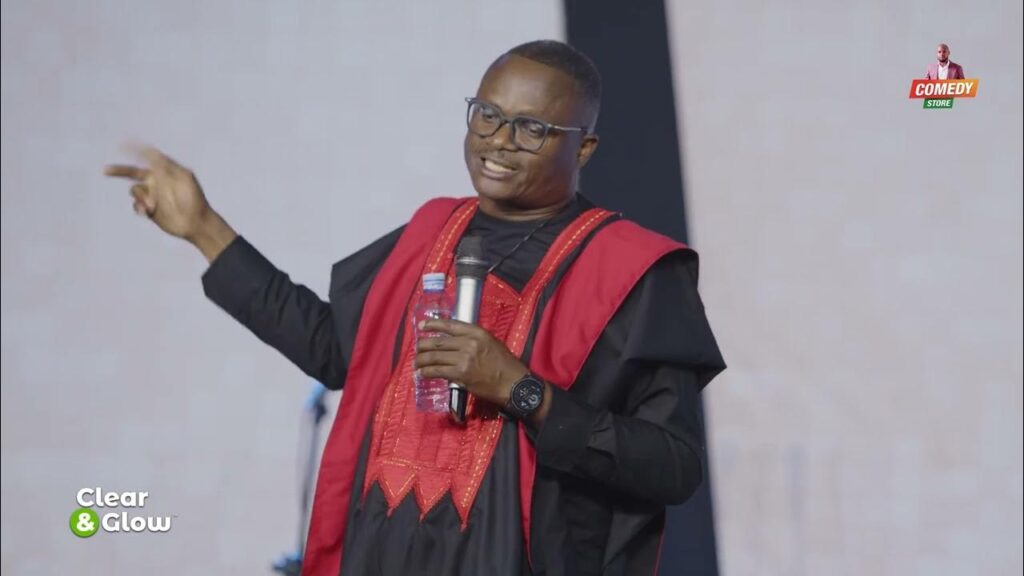

For years, the promise of the American dream has drawn many Ugandans abroad in search of better opportunities. For veteran comedian MC Kapale, however, that dream took a painful and unexpected turn.
Kapale, born Simon Kawuki Zikusoka, relocated to the United States with hopes of building a new life. In 2024, he married a white partner, believing the union would ease his path to American citizenship. But the relationship quickly fell apart, collapsing just months after it began and leaving him stranded in a foreign country.
Unwilling to return home at the time, Kapale began exploring alternative ways to stay in the U.S. His next option was seeking asylum. However, the process proved far more complicated than he had anticipated.
During a visit to a shelter for asylum seekers, Kapale was informed that he could not access medical care without formally applying. More challenging still, he was told that asylum claims required proof of persecution, typically based on political beliefs or sexual orientation.
Disillusioned by politics back in Uganda and reluctant to base his case on that ground, Kapale made a controversial decision. In a bid to strengthen his asylum claim, he attempted to construct a narrative around a different identity.
Through a series of TikTok live sessions, he presented himself as gay, adopting symbols and language he believed would support his case. But instead of gaining sympathy, his actions were met with widespread skepticism and harsh criticism online.
The backlash was immediate and intense. Viewers questioned his authenticity, and the negative response quickly took a toll on his emotional and mental well-being.
“They abused me so much… it was a sad situation,” he later admitted.
Faced with mounting pressure, declining health, and a system that offered no easy solutions, Kapale reached a turning point. He abandoned his pursuit of asylum and made the decision to return home.
Now back in Uganda, the comedian speaks with a renewed sense of relief and perspective. The country he once sought to leave behind has, in the end, become his place of refuge.
