
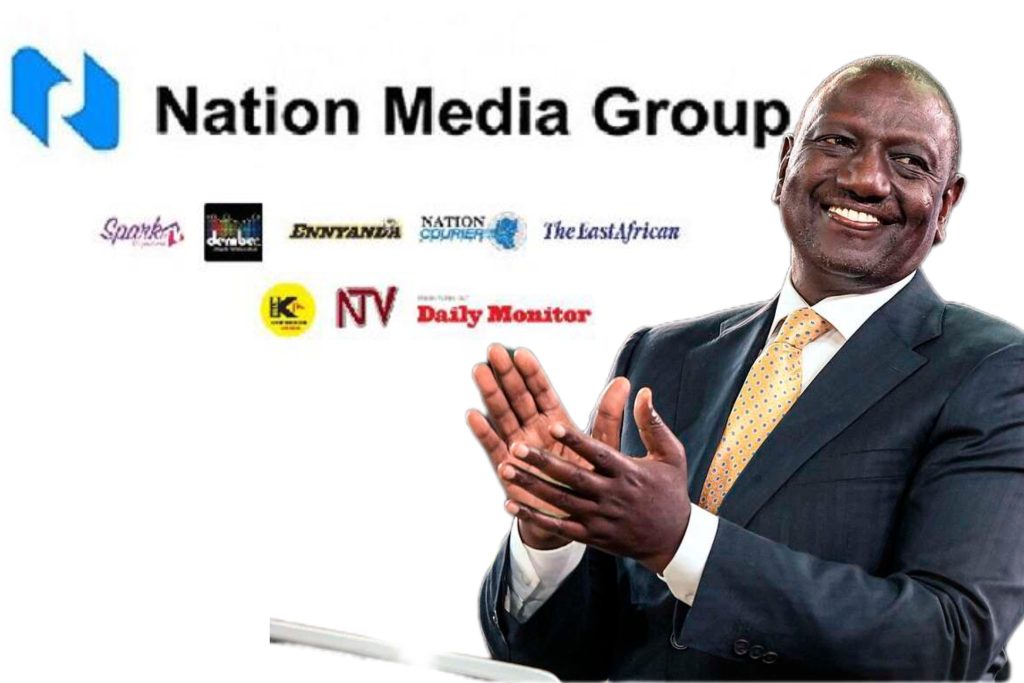

A major shake-up is unfolding in Uganda’s media industry as Tanzanian billionaire Rostam Aziz, a businessman with close political and commercial links across East Africa, moves to take indirect control of some of Uganda’s most influential media brands.
Through Taarifa Limited, Aziz is acquiring 100% of NPRT Holdings Africa Limited, which holds a 54.08% controlling stake in Nation Media Group (NMG). The transaction therefore gives him indirect control of NMG’s Ugandan operations, including NTV Uganda, Spark TV, Daily Monitor and KFM, subject to the necessary regulatory approvals.
The development has triggered questions about who ultimately stands behind the transaction and what it could mean for Uganda’s media landscape.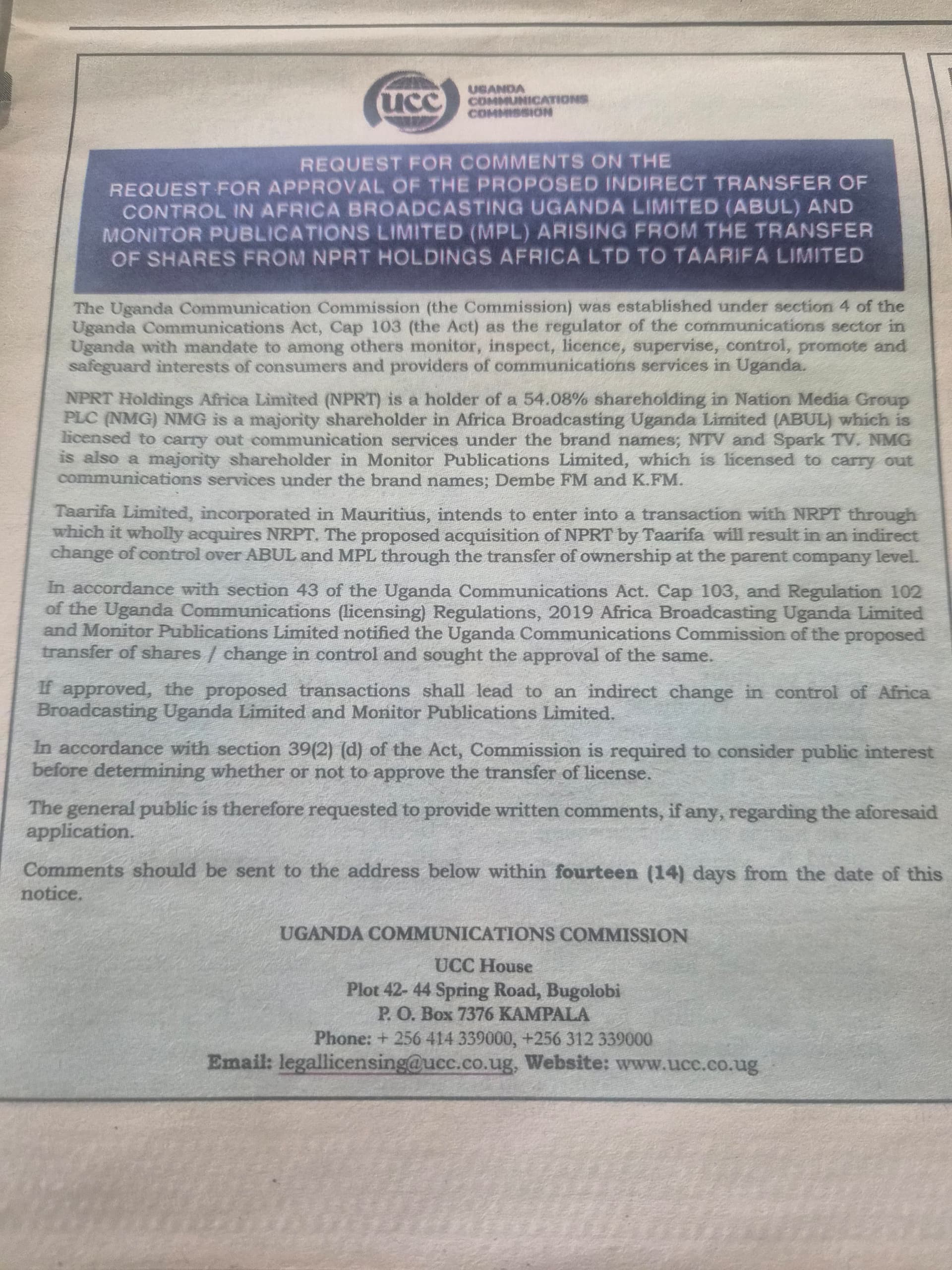
Questions over Ruto connection
Aziz has strong commercial and political relationships across the region, including a publicly documented relationship with Kenyan President William Ruto. This has fuelled speculation among media and political observers that the NMG acquisition could have interests beyond a straightforward commercial investment.
However, there is currently no publicly established evidence proving that Aziz is acting as Ruto’s nominee or front man. The allegation therefore remains a matter of speculation rather than an established fact.
The timing of the acquisition has nevertheless intensified scrutiny.
Aziz has already become directly involved in the controversy surrounding NMG’s Ugandan operations. Following the closure of NTV Uganda and Daily Monitor by Ugandan authorities, Aziz travelled to Uganda and held meetings with senior Ugandan officials, including General Muhoozi Kainerugaba and President Yoweri Museveni.
A new era for Uganda’s media
The acquisition represents the end of the Aga Khan Fund for Economic Development’s decades-long controlling interest in Nation Media Group.
For Uganda, the implications are significant.
The incoming ownership structure places some of the country’s most influential media brands under a new commercial leadership at a time when questions about media independence, political influence and ownership transparency are already dominating public debate.
NTV Uganda remains one of the country’s major television broadcasters, while Daily Monitor has historically positioned itself as an independent newspaper. KFM is one of Uganda’s leading English-language radio brands, while Spark TV targets the mass entertainment and youth market.
Together, these platforms give the new NMG ownership significant reach across television, radio, print and digital media.
The bigger question now is not simply who bought NMG, but what the new ownership means for the future direction of Uganda’s media industry.
With the Uganda Communications Commission now considering the proposed indirect change of control of Africa Broadcasting Uganda Limited and Monitor Publications Limited, the next major test will be whether the transaction receives regulatory approval and what conditions, if any, will accompany it.
For competitors such as Next Media, the development could fundamentally alter the competitive landscape — potentially creating a more commercially aggressive NMG with renewed investment across television, radio and digital.
One thing is clear: Uganda’s media ownership map is changing, and the implications will extend far beyond NTV and Daily Monitor.


