
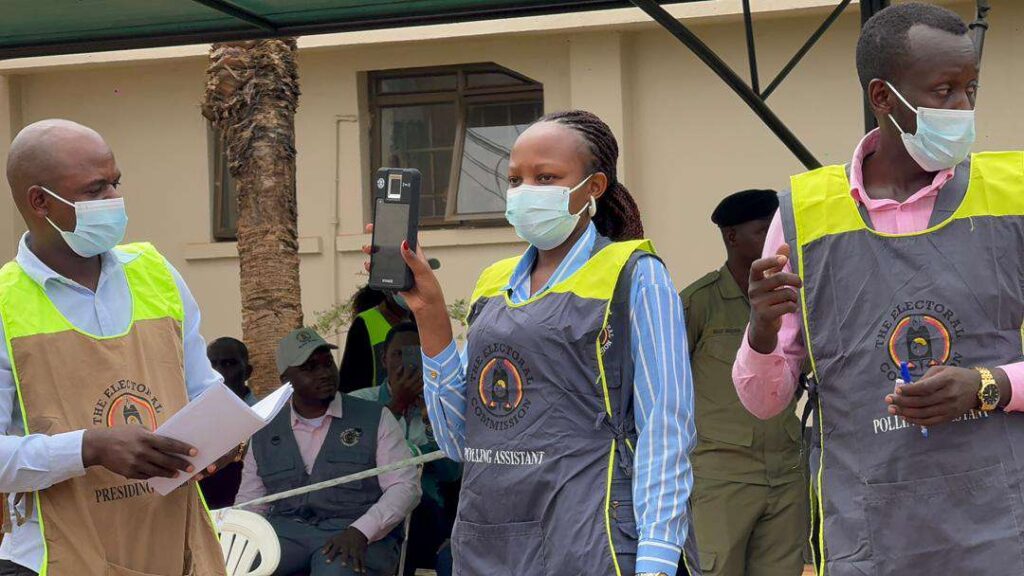

As Uganda heads into the next phase of voting this Thursday, the Electoral Commission (EC) has moved to clarify public concerns around the performance of the Biometric Voter Verification Kits (BVVKs), stating that the machines worked successfully wherever they were deployed correctly.
BVVK: The Machines Didn’t Fail—The Systems Around Them Did
When biometric voter verification stalled in some polling stations, the quick conclusion was that the machines had failed. A closer look at field reports and deployment timelines tells a different story. In 16 districts, Biometric Voter Verification Kits (BVVKs) operated throughout polling without any technical breakdowns. Where machines arrived on time, trained operators were present, and access credentials were issued early, voters were verified smoothly and securely.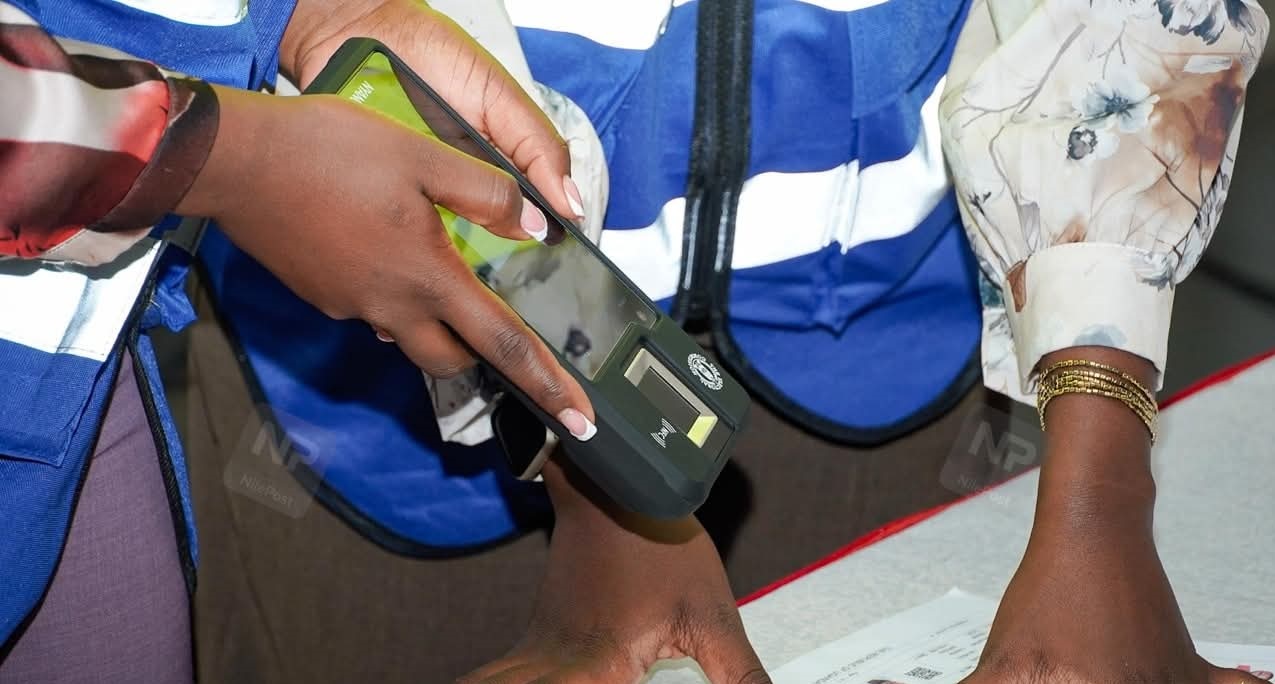
Problems emerged only in stations where operators were delayed or access codes were unavailable. In those cases, manual registers were used as a contingency measure to prevent voter disenfranchisement—not because the technology had collapsed.
The contrast is telling: BVVKs worked wherever the full setup was in place. Where gaps occurred, they were logistical and administrative, not technical.
With the same BVVK machines set to be used again this Thursday, the focus now shifts from questioning the technology to fixing deployment, coordination, and execution.
Bottom line: this was never a story of broken machines.
It was a story of broken logistics.